Beer Cave Repair in Charlotte, NC
Beer Cave Repair Charlotte NC — HeyKey provides fast, certified beer cave repair and walk-in cooler service for breweries, convenience stores, and commercial establishments in Charlotte, NC. We specialize in rapid diagnostics, refrigeration system optimization, and emergency beer cave repair Charlotte NC to prevent product spoilage and maintain perfect serving temperatures.





Common Beer Caves Issues and Solutions
1. Warm Air or Temperature Fluctuations
Common Cause
The temperature inside your cave is rising because the refrigeration unit cannot reject heat properly or cold air is escaping. This is usually triggered by a heavy layer of dust and grease blocking the outdoor condenser coils, an evaporator fan that has stopped circulating air, or staff leaving the heavy walk-in door unlatched during busy stocking hours.
How to Fix
Check that the main door is closing completely and that the magnetic seal grips tightly all the way around. Next, inspect the outdoor cooling unit to see if leaves or debris are blocking airflow. If the display shows a high temperature warning, clear any inventory blocking the internal fans and call for professional service to wash the coils and verify system pressures.
2. Heavy Ice and Frost Build-up
Common Cause
Thick ice is forming on your walls, ceiling, or cooling coils because outside humidity is constantly leaking into the room. This happens when the perimeter rubber door gaskets are torn, strip curtains are missing, or the automatic defrost clock is failing to melt away normal daily moisture.
How to Fix
Visually inspect the rubber gaskets around the doors for cracks or gaps and wipe down any moisture. If you notice heavy ice accumulation on the cooling unit itself, do not try to scrape it off with sharp tools. Turn off the system temporarily to let it melt naturally and schedule a technician to repair the defrost assembly.
3. Unit Constantly Running without Stopping
Common Cause
Your refrigeration system is working overtime because it cannot reach its target temperature. This steady strain is usually caused by worn out wall insulation panels losing their thermal barrier, an undersized system struggling against summer heat, or a low refrigerant charge due to a small pinhole leak in the piping.
How to Fix
Help your system rest by minimizing how long the door stays open during deliveries. Make sure your indoor inventory is spaced out rather than stacked tightly against the walls, which restricts vital airflow. If the compressor runs non stop for over 24 hours, have a professional check the insulation and test for system leaks.
4. Water Leaking or Standing Pools
Common Cause
Water is pooling on your floor or dripping from the ceiling because the condensation generated during normal cooling cannot drain away. This is caused by algae or slime blocking the drain lines, a cracked plastic drain pan, or a drain line that has frozen solid due to a broken heater wire.
How to Fix
Carefully clear any visible boxes away from the standing water to protect your inventory from contamination. If you can safely access the drain opening, check for obvious blockages like plastic wrappers. Avoid pouring harsh chemical drain cleaners down the line, and call a professional to flush the system safely.
5. Loud, Unusual Rattling Noises
Common Cause
Loud noises generally mean mechanical components are under physical stress. This can be caused by worn out bearings inside the fan motors, loose structural brackets holding the equipment together, or internal mechanical wear within the main compressor pump.
How to Fix
Listen closely to identify whether the sound is coming from inside the cave or the outdoor unit. Check if loose product or shelving is vibrating against the metal housing. If the noise persists as a sharp squeal or heavy metallic knocking, shut the system down if safe and request an emergency inspection to prevent total motor seizure.
6. Evaporator Coil Freezing Solid
Common Cause
The cooling coils inside your cave have turned into a block of ice, blocking all airflow. This occurs when air cannot pass through due to dirty filters, boxes stacked directly against the intake vents, or a failing expansion valve that is mismanaging the flow of cooling fluid.
How to Fix
Immediately rearrange your stock to keep a clear 18-inch buffer space around the entire cooling unit. Switch the system controller from "cool" to "fan only" to safely thaw the ice using ambient air. Keep an eye on the water runoff to prevent flooding, and call for service once the ice clears.
7. Sudden Loss of Coolant (System Leaks)
Common Cause
A sudden loss of cooling power occurs when refrigerant escapes from the closed loop system. This is caused by constant operational vibrations rubbing copper pipes together, structural corrosion from high humidity, or weak mechanical joints that have given way over time.
How to Fix
If you notice a sudden, total jump in temperature alongside a sweet or oily smell near the equipment, do not attempt to reset the breaker. Keep the doors tightly shut to preserve the remaining cold air, move highly perishable items to another cooler, and call for an emergency technician immediately.
8. High Energy Bills and Power Surges
Common Cause
A spike in your monthly utility bill indicates the system is drawing excessive electrical current. This is typically caused by weak electrical capacitors struggling to start the motor, loose wiring connections creating resistance, or degraded wall panels letting heat seep in continuously.
How to Fix
Keep a monthly log of your utility bills to spot unusual consumption trends early. Ensure the area around your electrical panels and outdoor condensing units is completely clear of stored items to prevent overheating. Have a technician inspect your electrical contacts before the peak summer season hits.
9. Frozen or Flickering Digital Control Screen
Common Cause
Your digital thermostat display is blank, blinking, or frozen due to external electrical issues. This happens after local power surges or lightning strikes, moisture seeping into the unsealed plastic control box, or failed sensor probes reporting inaccurate readings.
How to Fix
Locate your main breaker panel and try resetting the specific breaker dedicated to the refrigeration controls to see if the system reboots. Clean the exterior of the control box with a dry cloth only to avoid moisture damage. If the screen displays an error code like "E1" or remains completely dead, contact us to replace the controller.
10. Stagnant Air or Weak Airflow Inside
Common Cause
Inconsistent temperatures across different corners of your cave mean air is not circulating evenly. This is caused by heavy dust accumulation on the fan blades slowing them down, an incorrect fan motor replacement from a previous unverified repair, or product stacked too high near the ceiling.
How to Fix
Check that your storage racks are organized to allow air to pass freely underneath and between items. Look up at the fans to ensure they are spinning freely and aren't blocked by plastic wrap or tape. If the air feels completely still despite the system running, the fan motors will need professional replacement.
Beer cave not maintaining temperature? Trust HeyKey for fast beer cave repair in Charlotte, NC. Minimize downtime and protect your inventory with same-day commercial service.
Our Commercial Refrigeration Work in Charlotte
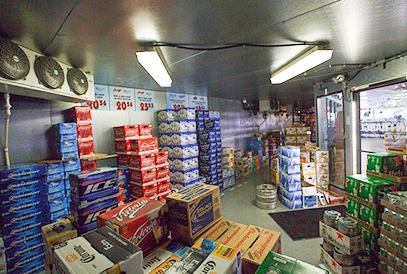
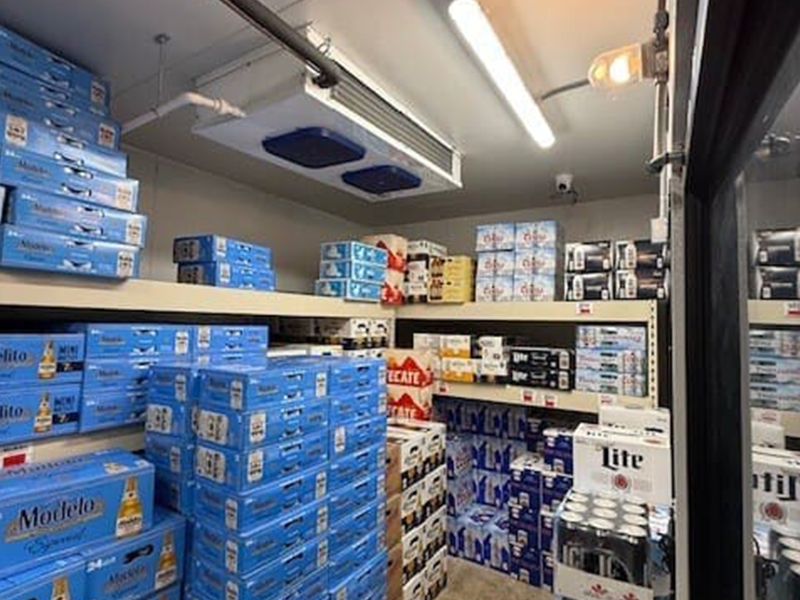
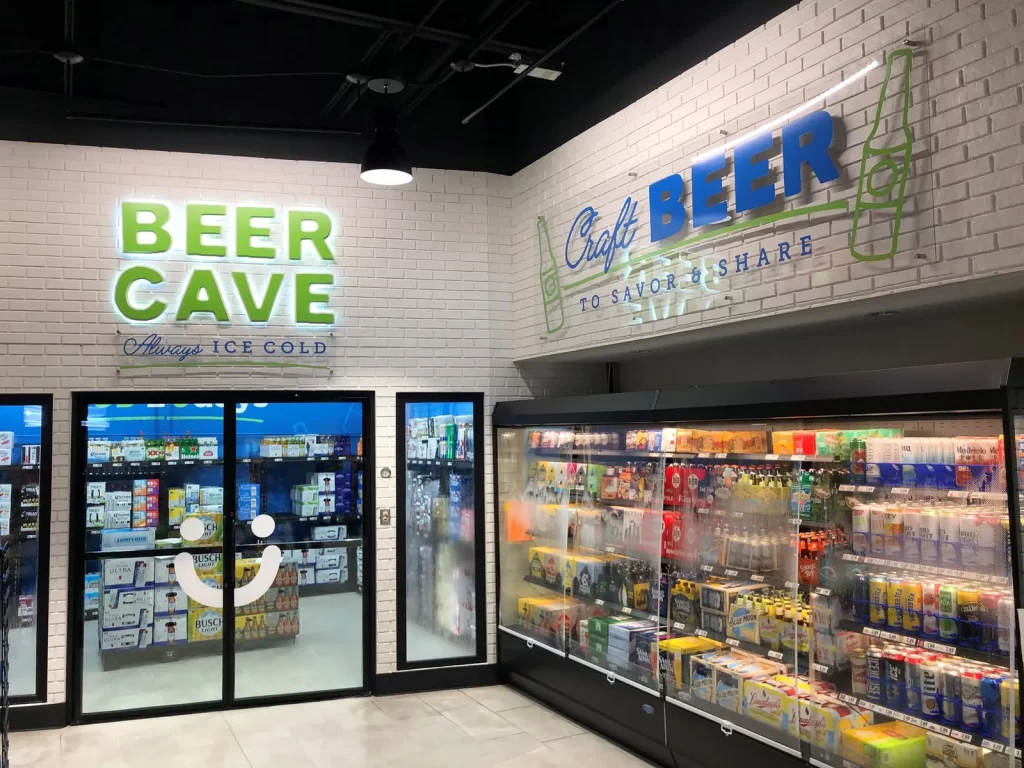
Real imagery from recent beer cave diagnostics, emergency compressor replacements, and preventative maintenance visits across the greater Charlotte region.
Real Feedback from Your Neighbors
“I had a wonderful experience with HeyKey Appliance and HVAC Repair. They repaired my Thermador double oven and did an outstanding job. The technician was amazing, very polite and truly professional. He even shared helpful tips on how to care for my oven and cooktop in the future. I am very happy with the service and highly recommend HeyKey to anyone who needs reliable appliance repair. Five stars!”

“Vasilii from HeyKey has come out to our house a few times to fix our washer. We have a large family so we’re hard on our appliances. He is always honest and thorough. He makes helpful recommendations and you can tell that he’s not just trying to make a sale. I highly recommend!!”
“Vasilii fixed two appliances for us recently. He was on time, professional, and cleaned up after himself. His communication through the process was excellent, and his payment system was easy to use. I recommend his services highly.”
“Van was the service man that came out to replace the ice maker on my 28 year old White-Westinghouse refrigerator. He was very helpful finding an ice-maker that was made for my fridge because the ice-maker was an option in 1997 and the part was hard to find. He fixed the ice-maker but I had a concern about a old brittle water connector. He said he could replace it if he had a brass fitting on his truck. He happen to have one so I had him replace it. Thanks Van for all your help and a job well done. Van gets 5 stars. The price was reasonable but for a 5 star rating it needs to be better. Thats why overall rating was 4 star.”
“I’m very happy with the service from HeyKey Appliance and HVAC Repair. They fixed my GE refrigerator, which had an icemaker issue and a cooling problem in the top section. The technician was amazing, very polite and highly professional. He also shared some great tips on how to take better care of my appliances in the future. Excellent service from start to finish. Five stars and highly recommended!”
“Vasilii fixed two appliances for us recently. He was on time, professional, and cleaned up after himself. His communication through the process was excellent, and his payment system was easy to use. I recommend his services highly.”
Frequently Asked Questions
Commercial beer caves should be maintained at a consistent holding temperature between 34F and 38F. Operating above this range can lead to accelerated product spoilage and foaming issues at the tap, while dropping below freezing risks damaging inventory.
Condenser coils should be cleaned at least once every three months. In high traffic environments or locations with significant dust and grease, monthly cleanings may be required to prevent high head pressures, compressor failure, and elevated energy bills.
This is typically caused by high humidity entering the space through worn door gaskets, strip curtains, or structural gaps between panels. When warm air meets the sub-freezing surfaces of the evaporator coil or cold walls, it rapidly condenses and freezes.
Yes. We prioritize commercial refrigeration emergencies to help Charlotte area businesses minimize downtime and prevent catastrophic product loss. Our service vehicles carry a robust inventory of common replacement components.
A failing TXV can cause the evaporator coil to freeze up if it starves the system of refrigerant, or cause compressor flooding if it overfeeds. Signs include erratic suction pressures, improper superheat readings, and inconsistent box temperatures.
Our Locations
Serving Charlotte and nearby areas with same-day repairs and a $0 service fee:
Don’t see your town?
Call Now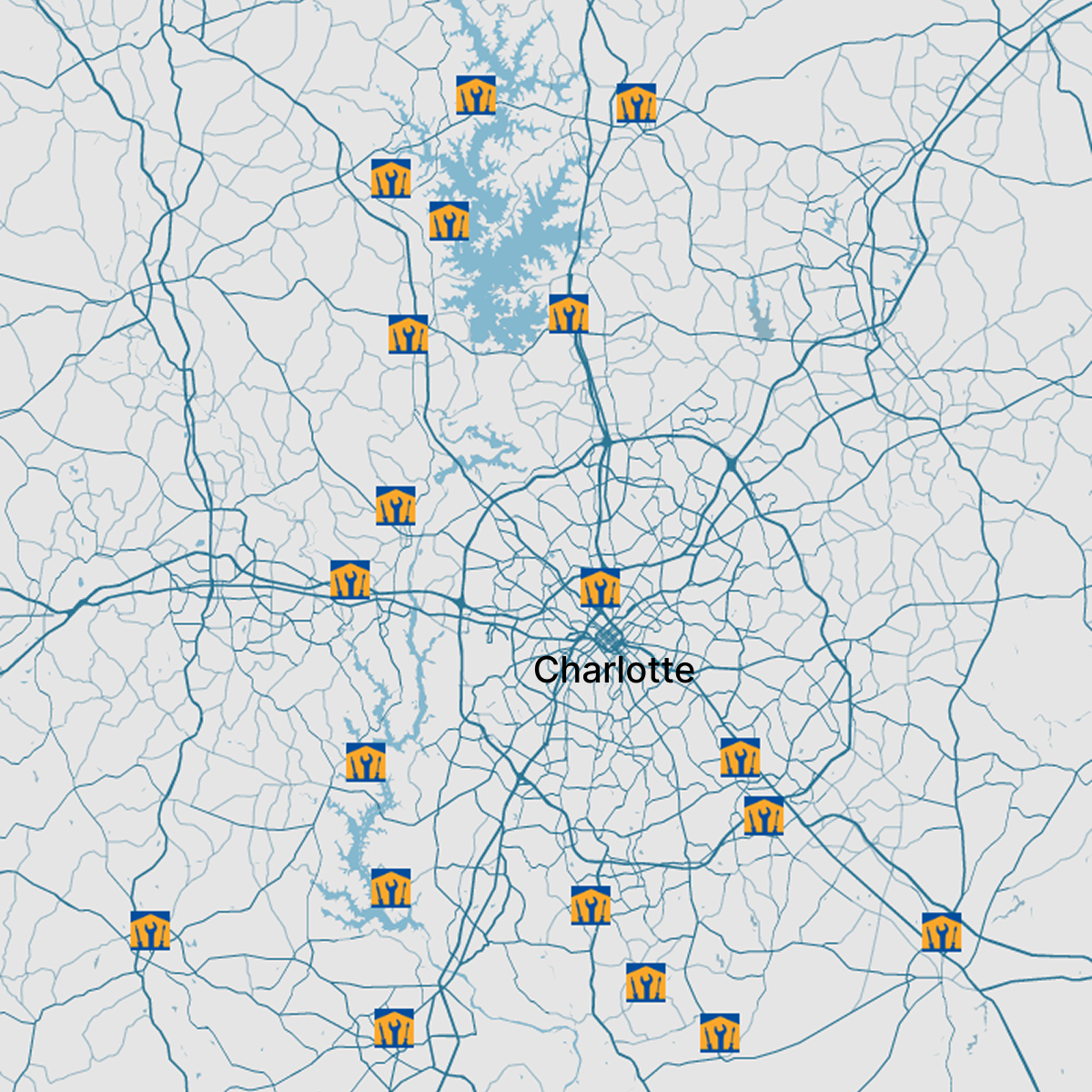
Get Fast Beer Cave Repair in Charlotte NC Today
Need beer cave repair in Charlotte NC? HeyKey's certified technicians restore your walk-in cooler or beer cave to peak efficiency — same-day service available across Charlotte and surrounding areas.