Refrigerator Repair in Charlotte, NC
Refrigerator Repair Charlotte, NC — when your fridge stops cooling, everything in it is on the clock. HeyKey's certified technicians show up fast, figure out what's wrong, and fix it right the first time. All major brands, same-day service across Charlotte, NC. Call (803) 805-7122 today.
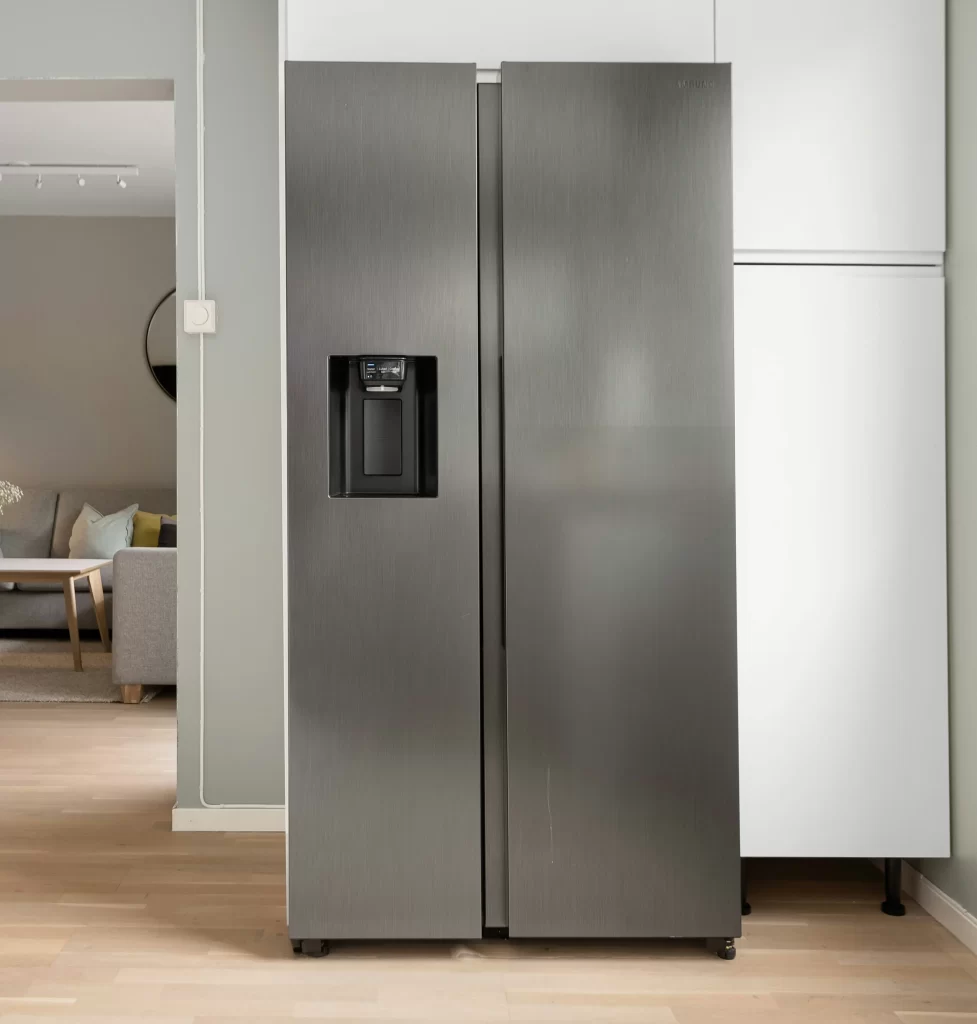





Common Refrigerator Repair Issues and Solutions
1. Not Cooling Properly
Common Cause
The most frequent problem. It is usually caused by:
thick dust insulating the condenser coils,
incorrectly set thermostat,
broken evaporator fan motor.
If you feel warm air but the fan is running, it may point to a compressor or refrigerant leak.
Defrost Problems and ice buildup on the evaporator coil and blocked air flow.
Compressor failed.
How to Fix
Clean the Condenser Coils: Dust buildup on the coils (usually located at the bottom or back) prevents heat release.
Check Airflow/Vents:
Overpacking the fridge can block air vents, preventing cold air from circulating.
Inspect Door Gaskets: Gaps in the rubber door seals allow cold air to escape.
Check Temperature Settings: Ensure the thermostat wasn't accidentally turned up.
Unplug to Defrost: If the freezer is full of ice but the fridge is warm, the defrost system may be broken. Unplug the fridge for 24–48 hours to thaw, which is a temporary fix.
2. Refrigerator Leaking Water
Common Cause
The most frequent problem:
Clogged Defrost Drain
Damaged Water Line
Faulty Water Filter or Filter House
Worn Door Gaskets
How to Fix
Unplug the fridge and clear any visible ice in the freezer drain hole with a plastic zip tie or a hair dryer. Flush the hole with hot water and a turkey baster until it drains freely into the drip pan beneath the fridge.
Pull the refrigerator out from the wall. Inspect the plastic or copper water lines for kinks or leaks. Tighten any loose connections and replace brittle or damaged tubing.
Remove the water filter and inspect the O-rings for damage. Reinstall it firmly to ensure a tight seal. Replace the filter if it has expired or is damaged.
Clean the gaskets with warm, soapy water. Check for gaps by closing the door on a piece of paper; if you can easily pull the paper out, your seal is worn and needs replacing.
3. Refrigerator is Making Noise
Common Cause
Rattling or Vibrating: Usually, this indicates a loose component. Check the drain pan underneath, ensure the fridge is level, and check for loose metal panels.
Buzzing or Humming: This often comes from the compressor or fans. A loud, constant buzzing might mean the evaporator fan is hitting ice
Squealing or Grinding: Likely a malfunctioning condenser or evaporator fan motor.
Popping or Clicking: Often, these are normal sounds caused by thermal expansion or the automatic defrost cycle.
Rattling or Vibrating: Usually, this indicates a loose component. Check the drain pan underneath, ensure the fridge is level, and check for loose metal panels.
Buzzing or Humming: This often comes from the compressor or fans. A loud, constant buzzing might mean the evaporator fan is hitting ice
Squealing or Grinding: Likely a malfunctioning condenser or evaporator fan motor.
Popping or Clicking: Often, these are normal sounds caused by thermal expansion or the automatic defrost cycle.
How to Fix
Check the Freezer Fan: If the noise stops when you open the freezer door, the evaporator fan is likely hitting ice buildup. Clear any food blocking the vents or manually defrost the unit.
Clean the Condenser Coils: If the coils are covered in dust, the compressor will overwork and become noisy. Unplug the fridge and vacuum the coils at the bottom or back.
Adjust the Leveling Legs: A fridge that is not level can rattle against the floor.
Secure the Drain Pan: Locate the drain pan near the compressor and ensure it is not rattling.
4. Ice Maker is Not Working
Common Cause
Clogged or Frozen Water Line: If the water line is frozen or blocked, water won’t reach the ice maker.
Faulty Water Inlet Valve: This valve controls the water flow. If it’s damaged, the ice maker can’t produce ice.
Defective Ice Maker Assembly: The internal mechanics of the ice maker may fail over time, especially in older models.
Temperature Too High: If the freezer temperature is above 10°F (-12°C), the ice maker won’t freeze water properly.
Malfunctioning Thermostat or Sensor: A broken sensor can prevent the ice-making cycle from starting.
Low Water Pressure: Insufficient water pressure can affect ice production.
How to Fix
Check the On/Off Switch: Verify the ice maker is turned on (check for a metal arm in the "down" position or a wire toggle switch).
Check the Water Supply: Ensure the water line to the fridge is connected and the saddle valve is fully open.
Reset the Ice Maker: If the unit is jammed, try resetting it (check for a reset button under the ice maker unit).
Check Freezer Temperature: The freezer must be 0-5°F. If it's too warm, the ice maker won't work.
Clear Jammed Ice: Check for a "frozen solid" ice bucket or ice buildup in the dispenser chute.
Check the On/Off Switch: Verify the ice maker is turned on (check for a metal arm in the "down" position or a wire toggle switch).
Check the Water Supply: Ensure the water line to the fridge is connected and the saddle valve is fully open.
Reset the Ice Maker: If the unit is jammed, try resetting it (check for a reset button under the ice maker unit).
Check Freezer Temperature: The freezer must be 0-5°F. If it's too warm, the ice maker won't work.
Clear Jammed Ice: Check for a "frozen solid" ice bucket or ice buildup in the dispenser chute.
5. Refrigerator Light Not Working
Common Cause
A refrigerator light that has gone out is usually caused by a burned-out bulb, a faulty LED module, or a stuck door switch
How to Fix
Check/Replace the Bulb: Unplug the fridge, remove the cover, and check for a broken filament or blackening on the bulb. Replace with an equivalent appliance bulb.
Check the Door Switch: Locate the light switch (usually in the door frame) and press it manually. If the light doesn't come on, the switch may be stuck or broken.
Check LED Modules: If your fridge uses LED lights, they may have failed. Sometimes, if one LED fails, others in the circuit will also go out.
Check Power: Verify the refrigerator is properly plugged into the outlet
Check/Replace the Bulb: Unplug the fridge, remove the cover, and check for a broken filament or blackening on the bulb. Replace with an equivalent appliance bulb.
Check the Door Switch: Locate the light switch (usually in the door frame) and press it manually. If the light doesn't come on, the switch may be stuck or broken.
Check LED Modules: If your fridge uses LED lights, they may have failed. Sometimes, if one LED fails, others in the circuit will also go out.
Check Power: Verify the refrigerator is properly plugged into the outlet
6. Compressor Problems
Common Cause
Common Causes & Components:
Start Relay Failure: The device that starts the compressor is often damaged, leading to a "clicking" sound.
Start Capacitor Failure: If the capacitor fails, the compressor cannot start and may overheat.
Sealed System/Freon Leak: If the compressor runs but the fridge doesn't cool, there may be a leak of refrigerant or a broken compressor internal seal.
Overload Protector Failure: The device designed to prevent the motor from overheating might be broken.
Inverter control board failure: Typically causes the compressor to stop working, resulting in a total loss of cooling while lights and fans may still function
How to Fix
Diagnosing the exact cause requires the right tools and expertise – which is where our certified technicians come in.
Top Refrigerator Compressor Symptoms:
Noises: Loud humming, buzzing, clicking, or rattling sounds.
Temperature Issues: Fridge and freezer feel warmer than normal, leading to food spoiling quickly
Constant Running: The compressor runs non-stop, indicating it cannot reach the desired temperature.
Noises: Clicking noises (often every few minutes) signify that the compressor is trying to start but failing, likely due to a faulty relay.
Overheated compressor body: Normal temperature range for residential compressors is 90 - 110 F
7. Refrigerator Water Dispenser Issues
Common Cause
Common Water Dispenser Issues:
No Humming Sound: Indicates a potential electrical issue, such as a bad switch, or a faulty water inlet valve.
Low Water Pressure: Often caused by a clogged filter or a partially closed supply valve.
Leaking Dispenser: This can occur due to a faulty water inlet valve, air in the system, or a loose connection.
Water is Warm: This is normal if the dispenser does not have a reservoir tank in the fridge section, or if the water is not being cooled.
Dispenser pedal/push button failure: often caused by mechanical failure of the actuator, faulty microswitches, or frozen water lines. The actuator is the lever you press, which must trigger a switch to send electrical power to the dispenser system
How to Fix
Common Solutions for No/Slow Water
Check the Water Filter (Most Common): A clogged or improperly seated filter can block water flow. Replace it if it is over 6 months old. If you recently changed it, try re-seating it.
Thaw a Frozen Water Line: If the freezer is too cold, the tube in the door can freeze. Turn off the fridge, and use a hairdryer to carefully melt the ice, or let the door stay open for a few hours.
Check Water Supply Valve: Ensure the saddle valve or shutoff valve behind the fridge is fully open.
Test for a Faulty Door Switch: The dispenser won't work if the fridge thinks the door is open. Check if the interior light goes off when you close the door, and check that the door switch is functioning.
Inspect the Water Inlet Valve: If you hear a hum, but no water, the valve might be faulty or not getting enough pressure.
8. Refrigerator Defrost Problems
Common Cause
Common Symptoms:
Loud Noises: Rattling, buzzing, or humming noises, often increasing when the door is opened.
Poor Cooling: Refrigerator is warm while the freezer may still be freezing.
Constant Running: The compressor runs continuously, trying to reach the set temperature.
Frost Buildup: Excessive ice inside the freezer or on the back wall. Key failures often stem from a defective defrost heater, thermostat, or timer, or malfunctions in the Main Control Board. Use requires the right tools and expertise – which is where our certified technicians come in.
How to Fix
Troubleshooting and Solutions
Check for Thick Ice: Thick ice buildup on the back wall of the freezer is a primary indicator of a failed defrost system.
Manually Advance the Timer: Locate the timer (usually behind the kick plate or in the control panel) and turn it with a screwdriver until it clicks, forcing the defrost mode.
Check Door Seals: Use a dollar bill to test if the seal is tight.
Inspect Evaporator Fan: If the fan is not blowing, the defrost system may be locked up.
Clean Condenser Coils: Dust buildup can affect performance and increase the frequency of required defrost cycles
9. Refrigerator Fan Problems
Common Cause
Common Symptoms
Loud Noises: Rattling, buzzing, or humming noises, often increasing when the door is opened.
Poor Cooling: Refrigerator is warm while the freezer may still be freezing.
Constant Running: The compressor runs continuously, trying to reach the set temperature.
Frost Buildup: Excessive ice inside the freezer or on the back wall.
How to Fix
Safety First: Unplug the refrigerator before attempting any repairs.
Check for Obstructions: Ensure food items are not blocking the freezer vent, preventing airflow.
Inspect Evaporator Fan (Freezer):
Remove the panel in the freezer to access the fan.
Check for ice buildup obstructing the blades.
Manually turn the blade; if it is stiff or does not spin freely, the motor likely needs replacement.
Remove the panel in the freezer to access the fan.
Check for ice buildup obstructing the blades.
Manually turn the blade; if it is stiff or does not spin freely, the motor likely needs replacement.
Inspect Condenser Fan (Back/Bottom):
Pull the refrigerator out and remove the back panel.
Clean dust and debris from the coils and fan area.
Pull the refrigerator out and remove the back panel.
Clean dust and debris from the coils and fan area.
Refrigerator not cooling? Trust our certified technicians for fast refrigerator repair in Charlotte, NC — same-day service, 1-year warranty
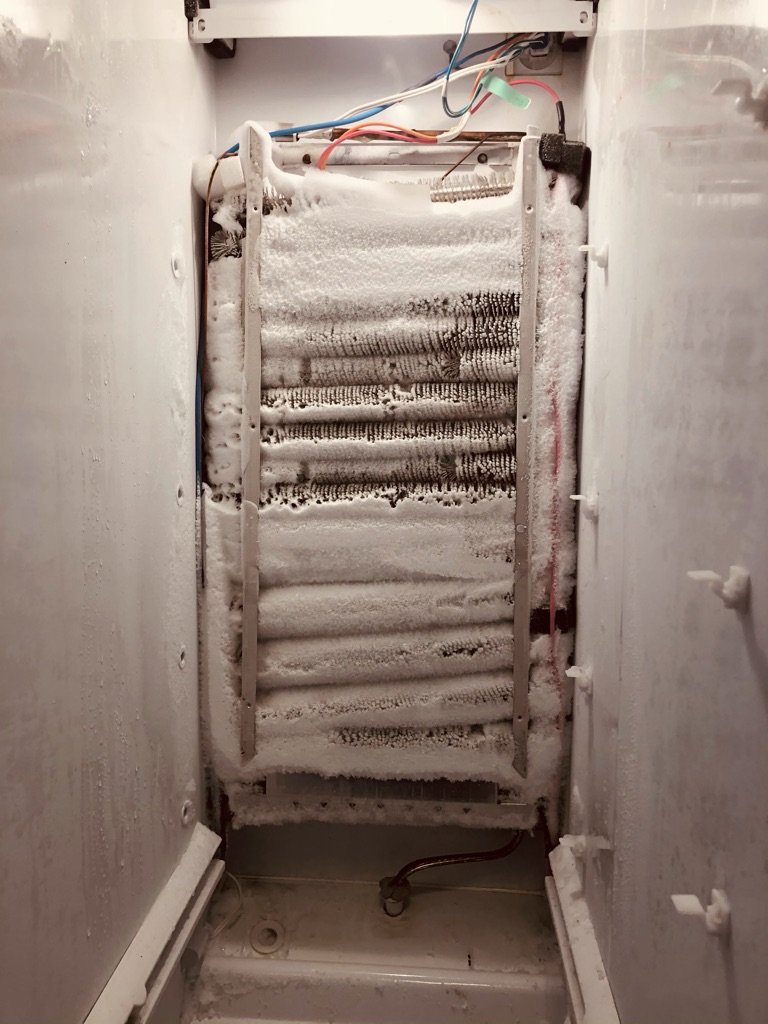
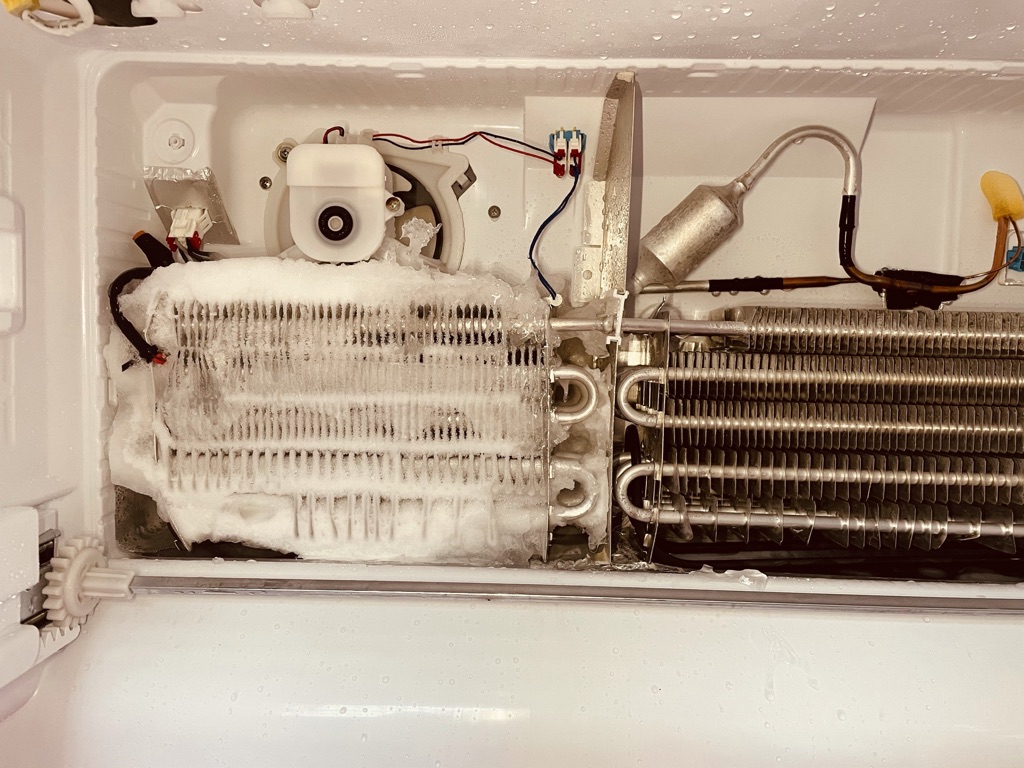
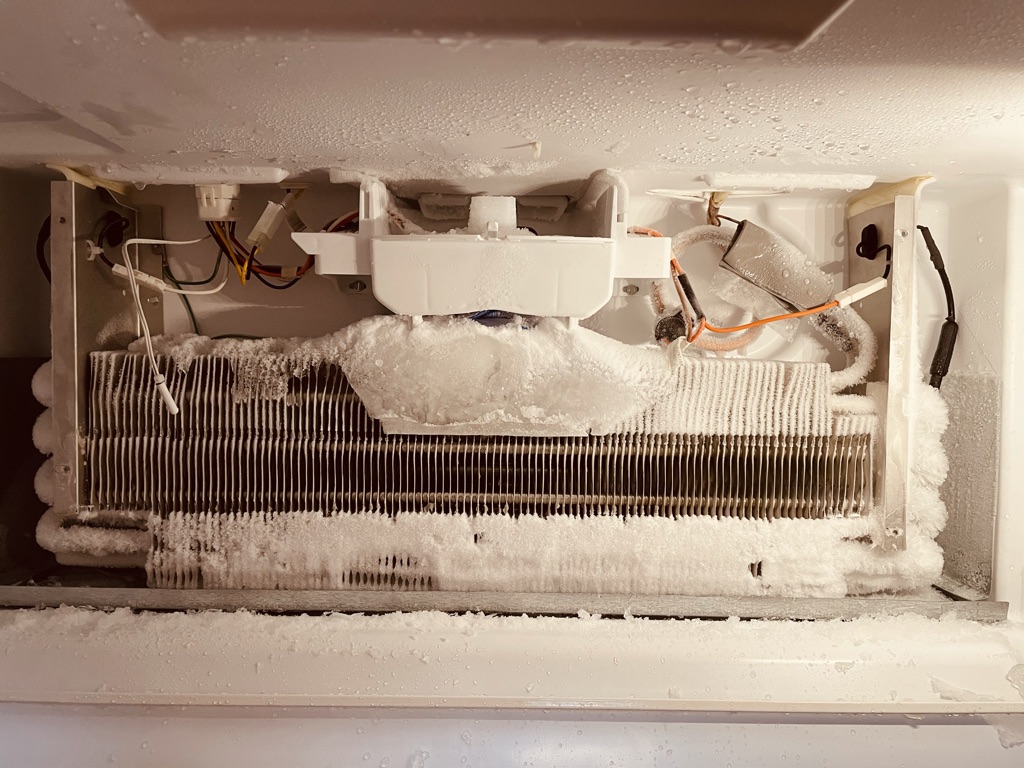
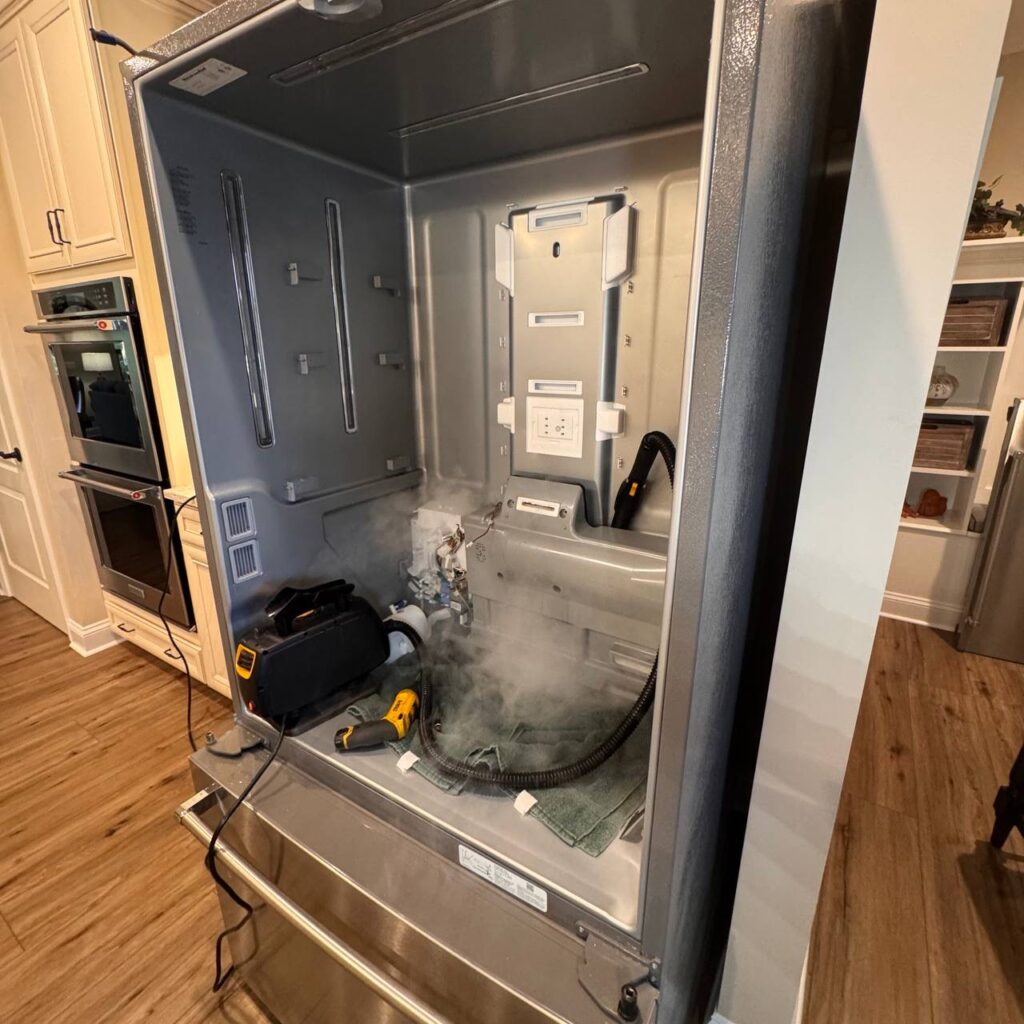
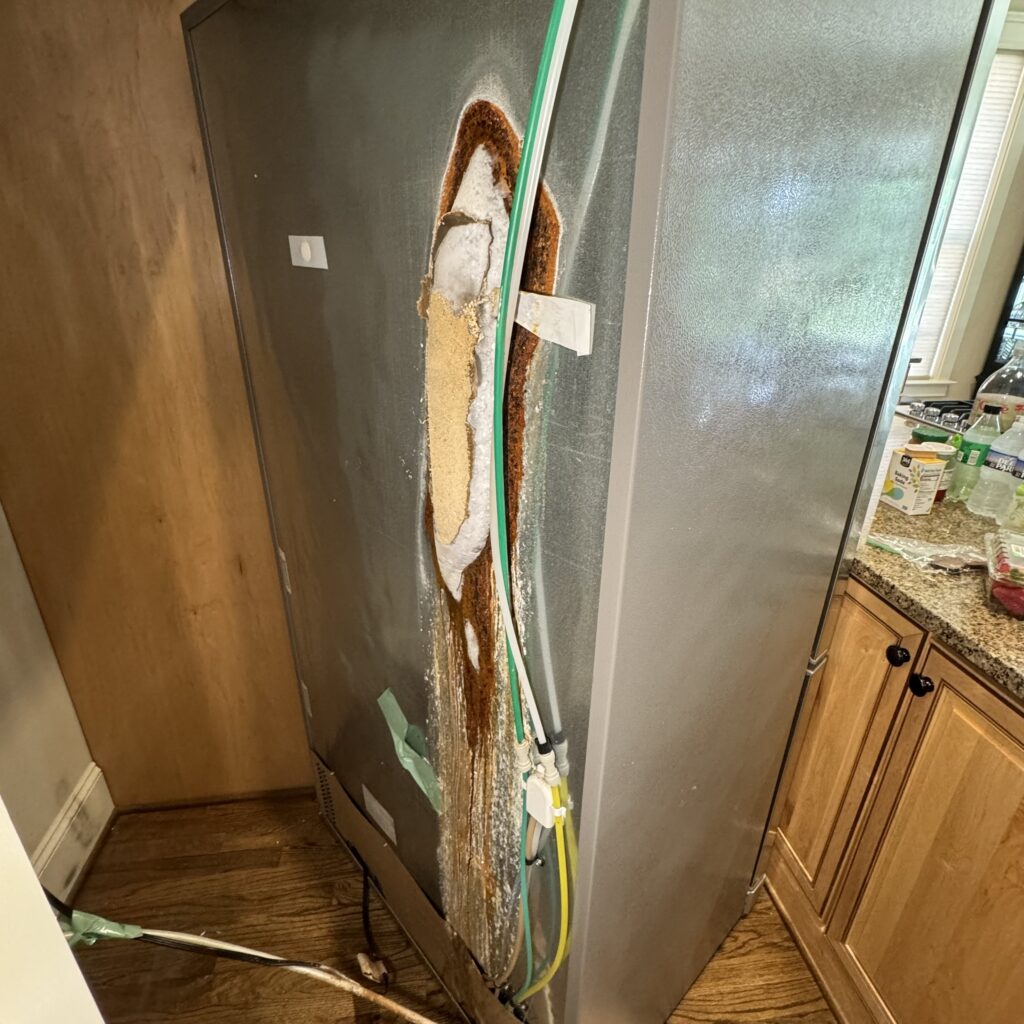
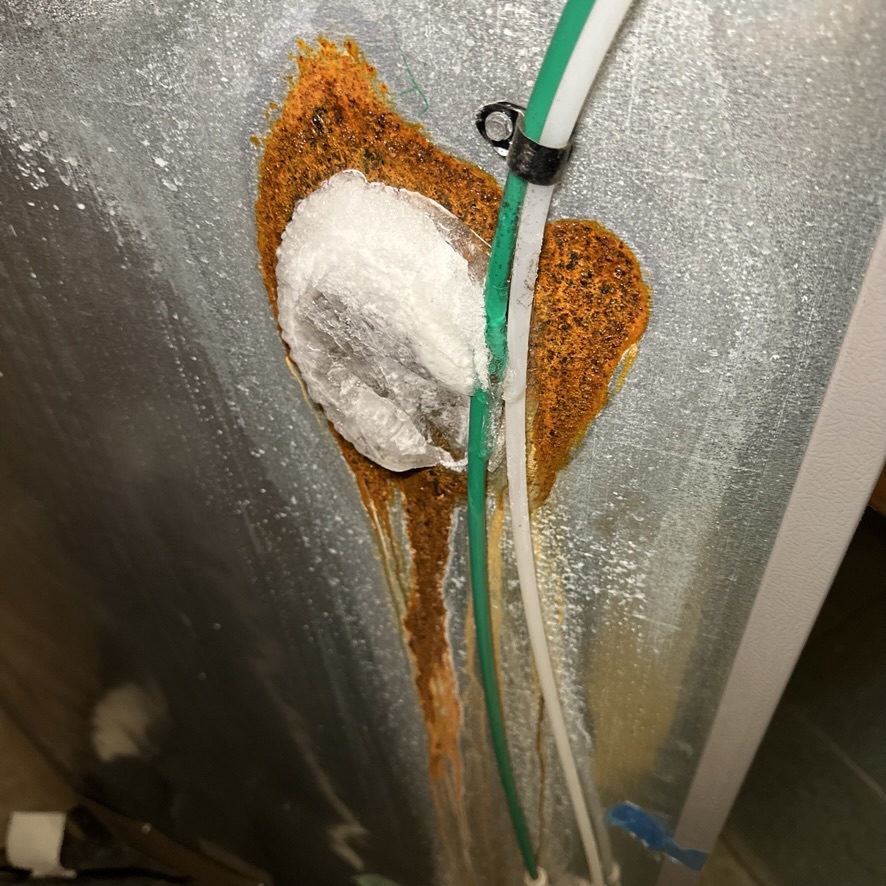
Our Work in Charlotte
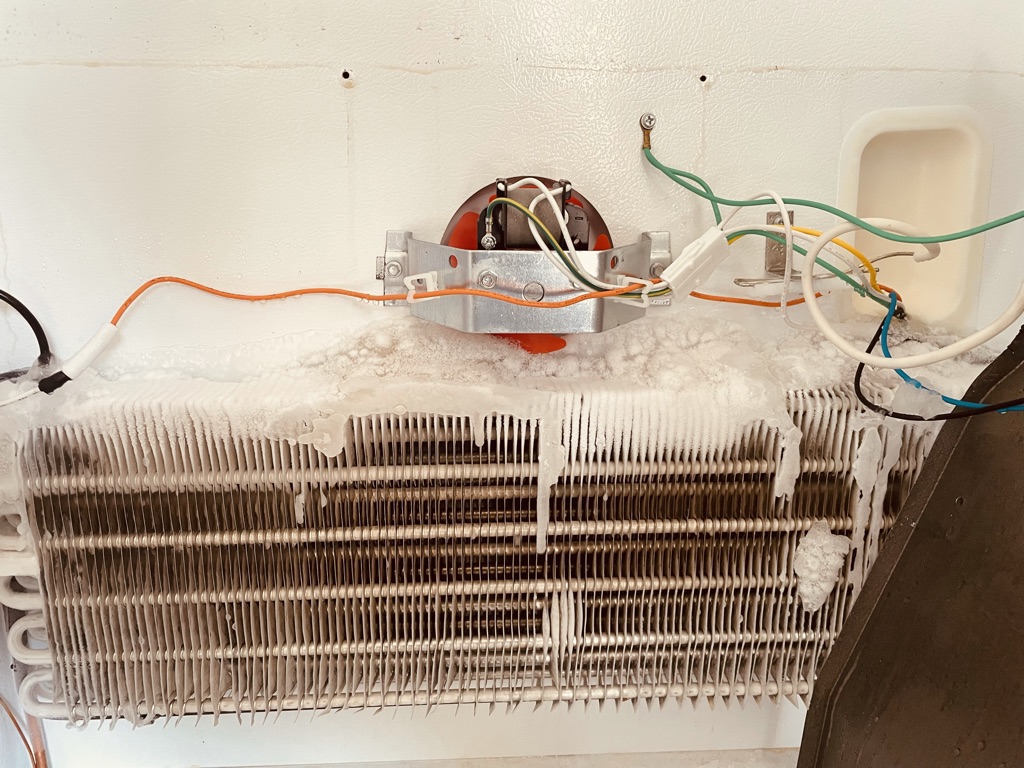
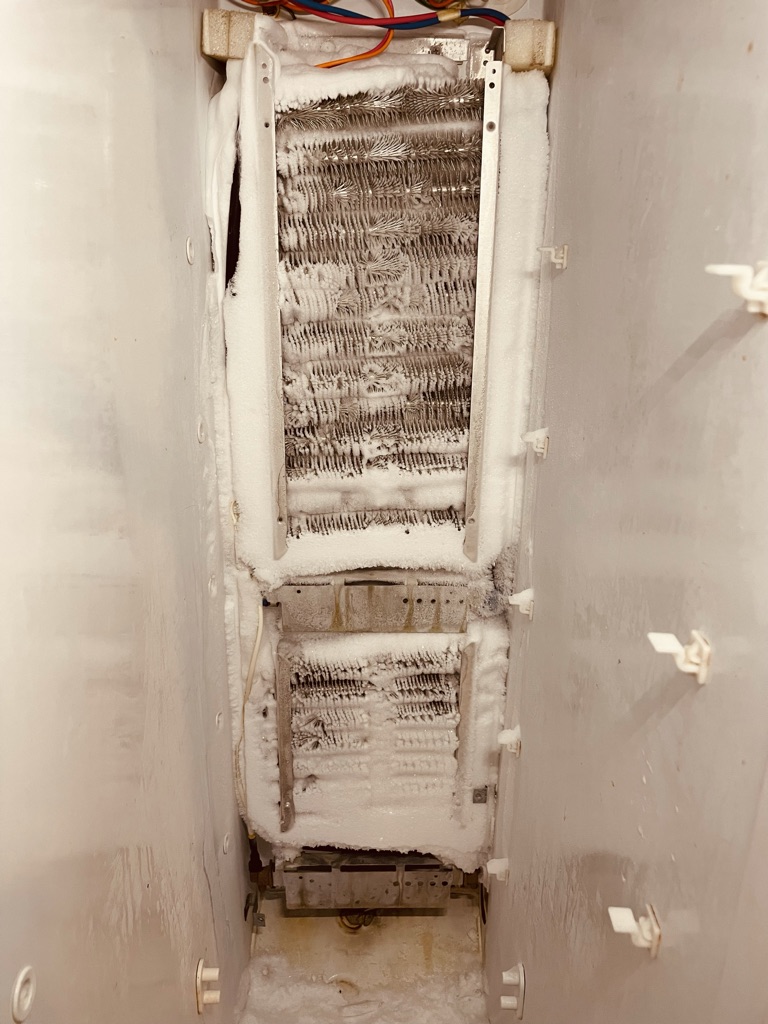
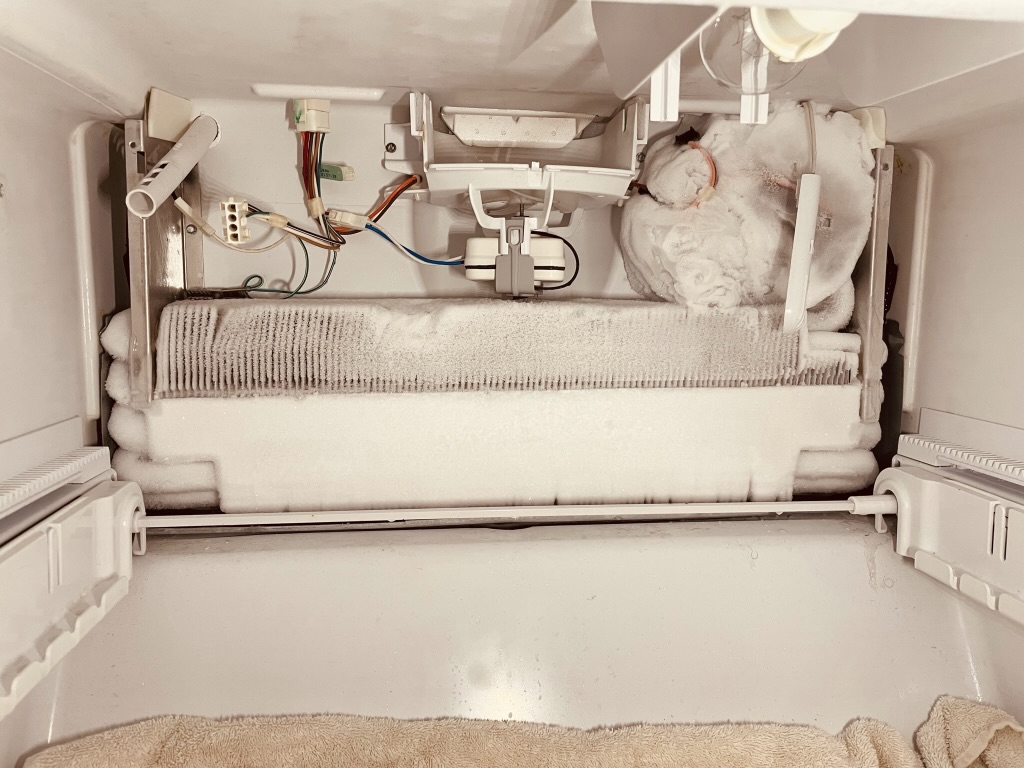
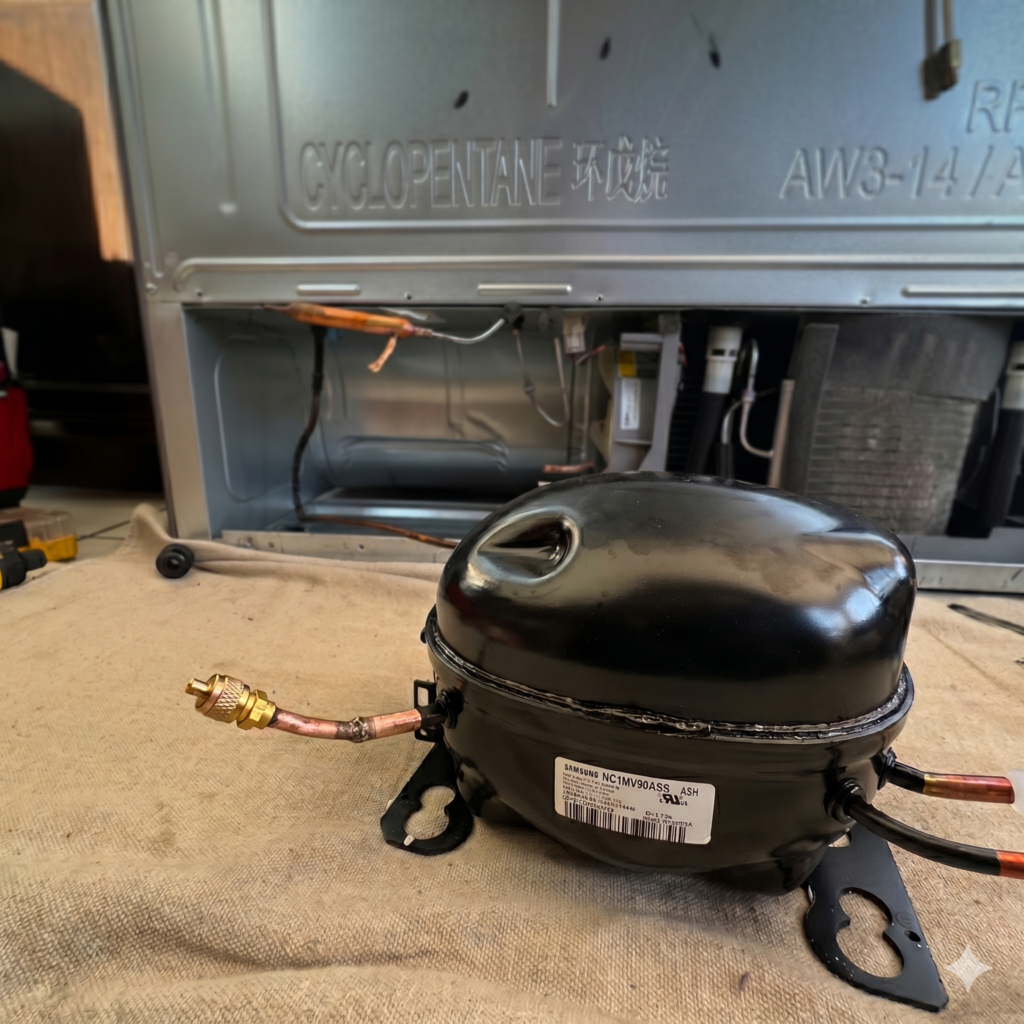
Take a look at some of our recent refrigerator repair jobs across Charlotte, NC — from cooling issues and faulty compressors to ice maker repairs and thermostat replacements. This is what HeyKey does every day.
Real Feedback from Your Neighbors
“I had a wonderful experience with HeyKey Appliance and HVAC Repair. They repaired my Thermador double oven and did an outstanding job. The technician was amazing, very polite and truly professional. He even shared helpful tips on how to care for my oven and cooktop in the future. I am very happy with the service and highly recommend HeyKey to anyone who needs reliable appliance repair. Five stars!”

“Vasilii from HeyKey has come out to our house a few times to fix our washer. We have a large family so we’re hard on our appliances. He is always honest and thorough. He makes helpful recommendations and you can tell that he’s not just trying to make a sale. I highly recommend!!”
“Vasilii fixed two appliances for us recently. He was on time, professional, and cleaned up after himself. His communication through the process was excellent, and his payment system was easy to use. I recommend his services highly.”
“Van was the service man that came out to replace the ice maker on my 28 year old White-Westinghouse refrigerator. He was very helpful finding an ice-maker that was made for my fridge because the ice-maker was an option in 1997 and the part was hard to find. He fixed the ice-maker but I had a concern about a old brittle water connector. He said he could replace it if he had a brass fitting on his truck. He happen to have one so I had him replace it. Thanks Van for all your help and a job well done. Van gets 5 stars. The price was reasonable but for a 5 star rating it needs to be better. Thats why overall rating was 4 star.”
“I’m very happy with the service from HeyKey Appliance and HVAC Repair. They fixed my GE refrigerator, which had an icemaker issue and a cooling problem in the top section. The technician was amazing, very polite and highly professional. He also shared some great tips on how to take better care of my appliances in the future. Excellent service from start to finish. Five stars and highly recommended!”
“Vasilii fixed two appliances for us recently. He was on time, professional, and cleaned up after himself. His communication through the process was excellent, and his payment system was easy to use. I recommend his services highly.”
Frequently Asked Questions
Absolutely! We understand that a broken refrigerator is an emergency. We offer fast, same-day refrigerator repair services throughout Charlotte and the surrounding areas to ensure your food stays fresh and your kitchen keeps running smoothly.
Our technicians are experts in repairing all major refrigerator brands, including Samsung, LG, Whirlpool, GE, Frigidaire, KitchenAid, and Maytag. Whether it's a French door, side-by-side, or bottom-freezer model, we have the skills and parts to fix it.
Yes, we stand behind our work. All of our refrigerator repairs come with a comprehensive 1-year limited warranty. This gives you peace of mind knowing that your appliance is covered long after our technician leaves your home.
Unusual noises are often caused by a failing compressor, a faulty evaporator fan, or a dirty condenser fan. If your fridge is louder than normal, it's best to have a professional diagnose the issue early to prevent more costly repairs down the road.
We prioritize refrigerator calls due to the risk of food spoilage. In most cases, we can get a technician to your Charlotte home on the same day or within 24 hours. Call us now for the fastest dispatch!
Our Locations
Serving Charlotte and nearby areas with same-day repairs and a $0 service fee:
Don’t see your town?
Call Now
Refrigerator Not Cooling in Charlotte, NC? Let's Fix That
Refrigerator Repair Charlotte, NC — don't wait until everything spoils. HeyKey's certified technicians serve Charlotte, NC and surrounding areas — same-day service available. We're ready when you are.